After Shania Twain separated from longtime husband and musical collaborator Mutt Lange in 2008, the singer found herself navigating a private heartbreak that suddenly had public consequences.
The split was linked to allegations involving Lange and Twain’s former close friend, Marie-Anne Thiébaud, whose husband, Frédéric Thiébaud, was also left confronting the same painful fallout.
For Twain, the shock was not limited to losing a marriage that had helped define one of country-pop’s biggest success stories; it meant losing trust in people once closest to her.
In an emotional conversation with Oprah Winfrey, Twain revealed the person who understood her pain most completely was not a Hollywood confidant, a publicist, or another superstar.
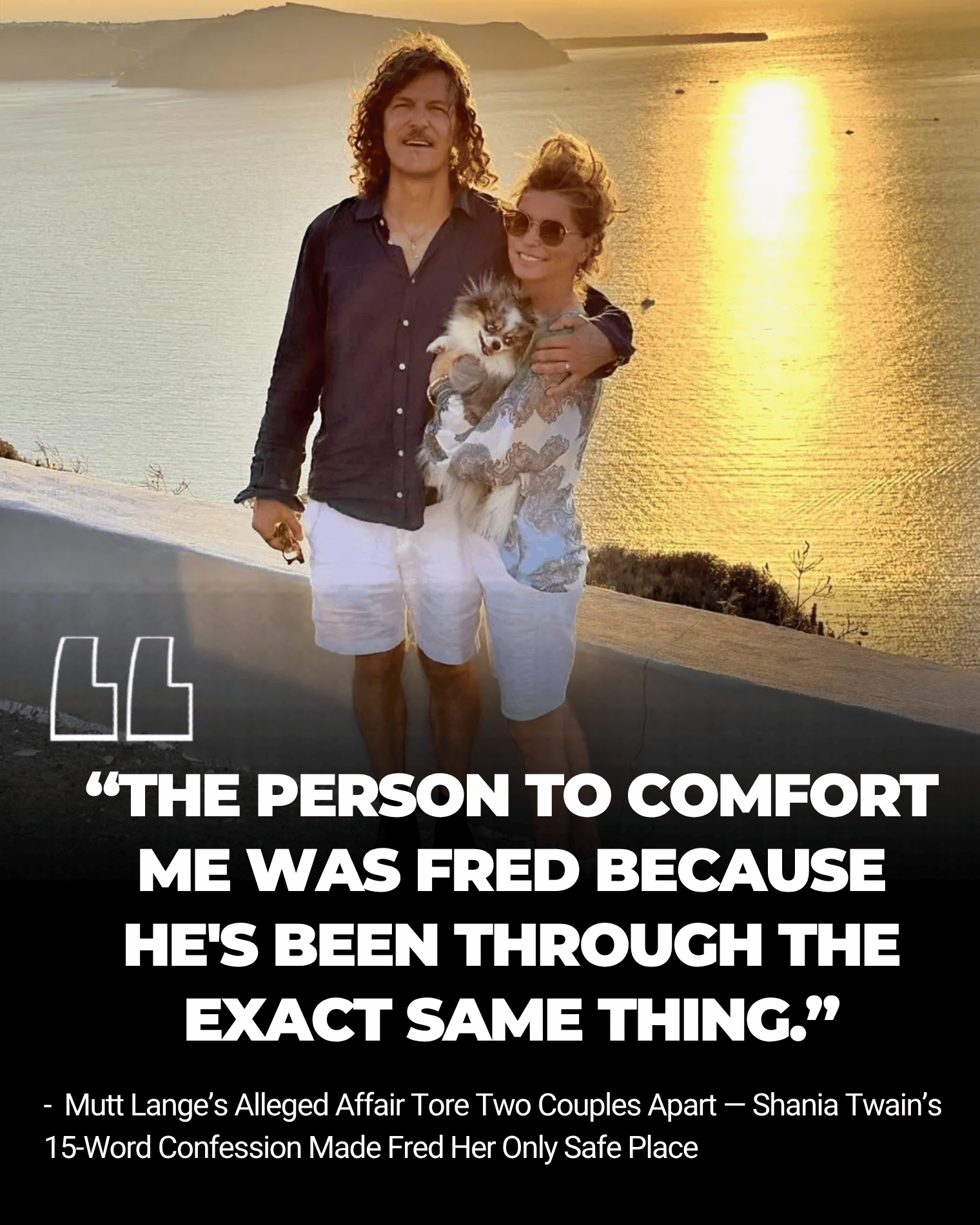
“The person to comfort me was Fred because he’s been through the exact same thing,” Twain said, describing a bond formed inside a crisis neither of them had chosen.
That admission hit differently because Frédéric was not simply offering sympathy from the outside; he was living through a parallel rupture, with the same names, same accusations, and same emotional wreckage.
What began as two wounded people trying to make sense of betrayal slowly became something neither could have predicted: a friendship rooted in honesty, vulnerability, and the rare comfort of being understood.
Twain later made clear that their connection did not arrive as some glamorous revenge plot, despite the tabloid-ready details surrounding the situation and the massive public fascination with her private life.
Instead, it emerged from a place of shared hurt, where both she and Frédéric had to rebuild confidence after the people they trusted most allegedly shattered the foundation beneath them.
The friendship eventually became love, and in 2011, Twain and Thiébaud married in a quiet but deeply symbolic new chapter that turned one of pop culture’s messiest heartbreak stories upside down.
For fans who had watched Twain transform country music with fearless songs, arena-sized hooks, and a larger-than-life image, the marriage revealed a more intimate kind of strength.
Her 1998 ballad “From This Moment On” suddenly carried a different emotional weight, no longer sounding only like a sweeping promise but like something reclaimed after real-life devastation.
Twain’s personal rebuilding later became an important thread in Netflix’s Not Just a Girl, where her career triumphs were placed beside the losses, health battles, and emotional resilience behind them.
The documentary did not turn pain into spectacle; it showed that the woman behind “Man! I Feel Like a Woman!” had survived moments that could have silenced almost anyone.
And perhaps that is the real twist in Shania Twain’s story: out of a rupture that tore apart two marriages, she found someone who understood the darkness—and helped her believe in love again.